Tips For A Smooth Corporate Bus Tours Experience In Queensland
A well-coordinated group movement can quietly determine whether a corporate event feels seamless or strained, and that’s where bus tours Queensland become more than just transport. They set the rhythm of the day, influence attendee experience and shape how efficiently schedules unfold. Whether it’s moving teams between venues, organising off-site meetings or planning incentive travel, the details behind group transport often go unnoticed until something goes wrong. This guide explores practical considerations that help corporate planners create smoother, more controlled outcomes while using bus tours in Queensland, without overcomplicating logistics or overlooking key touchpoints.
Define Clear Objectives Before Booking
Every successful transport plan begins with clarity around purpose: aligning your goals ensures the transport supports the event rather than complicates it. When objectives are well defined, decisions about vehicle type, timing and routes become more strategic rather than reactive. Corporate planners often underestimate how much clarity upfront can reduce friction later.
The key planning elements to lock in early include:
- Number of attendees and group segmentation
- Event type such as conference, training or incentive travel
- Required stops or multi-venue coordination
- Level of comfort or presentation expected
This foundation allows providers to tailor solutions that align with your schedule, rather than forcing your event to adapt to transport limitations.
Align Transport With Event Scheduling
Timing mismatches are one of the most common causes of disruption: even a small delay can cascade across a tightly planned corporate itinerary. Synchronising transport with the broader event schedule ensures attendees arrive prepared and on time, without unnecessary waiting or confusion. It also helps maintain professionalism throughout the experience.
To strengthen schedule alignment, focus on:
- Buffer times between pickups and event start
- Traffic considerations during peak periods
- Clear departure and return windows
- Coordination with venue access times
A well-timed transport plan creates a sense of flow that attendees rarely notice, but always appreciate.
Choose The Right Fleet Configuration
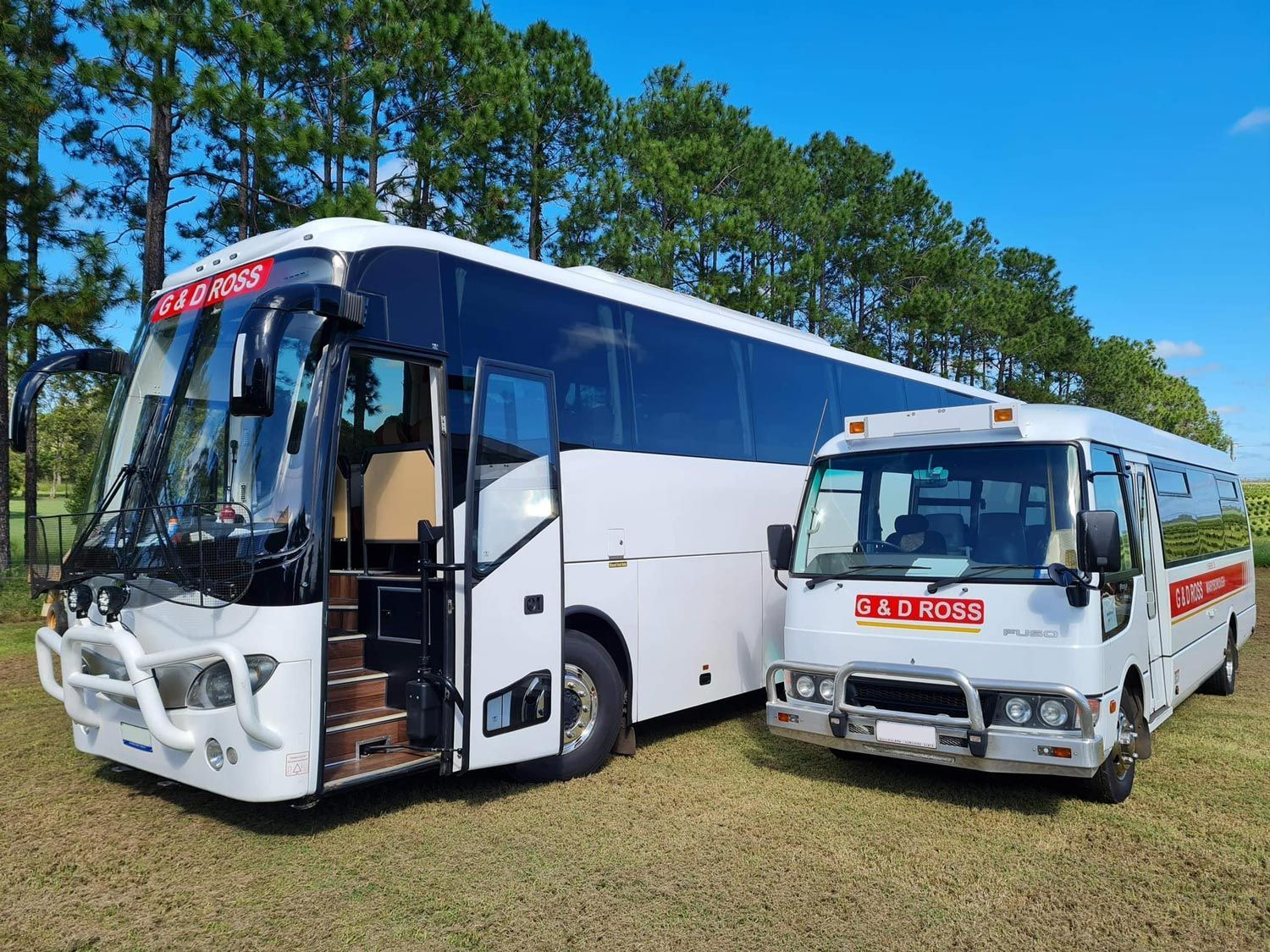
Not all group transport requirements are equal: selecting the right vehicle mix can significantly improve comfort and efficiency. Corporate groups often vary in size, expectations and purpose, which means a one-size-fits-all approach rarely works. Matching fleet options to your group profile helps avoid overcrowding or underutilisation.
Consider these factors when selecting vehicles:
- Group size and potential last-minute changes
- Seating comfort for longer journeys
- Accessibility requirements
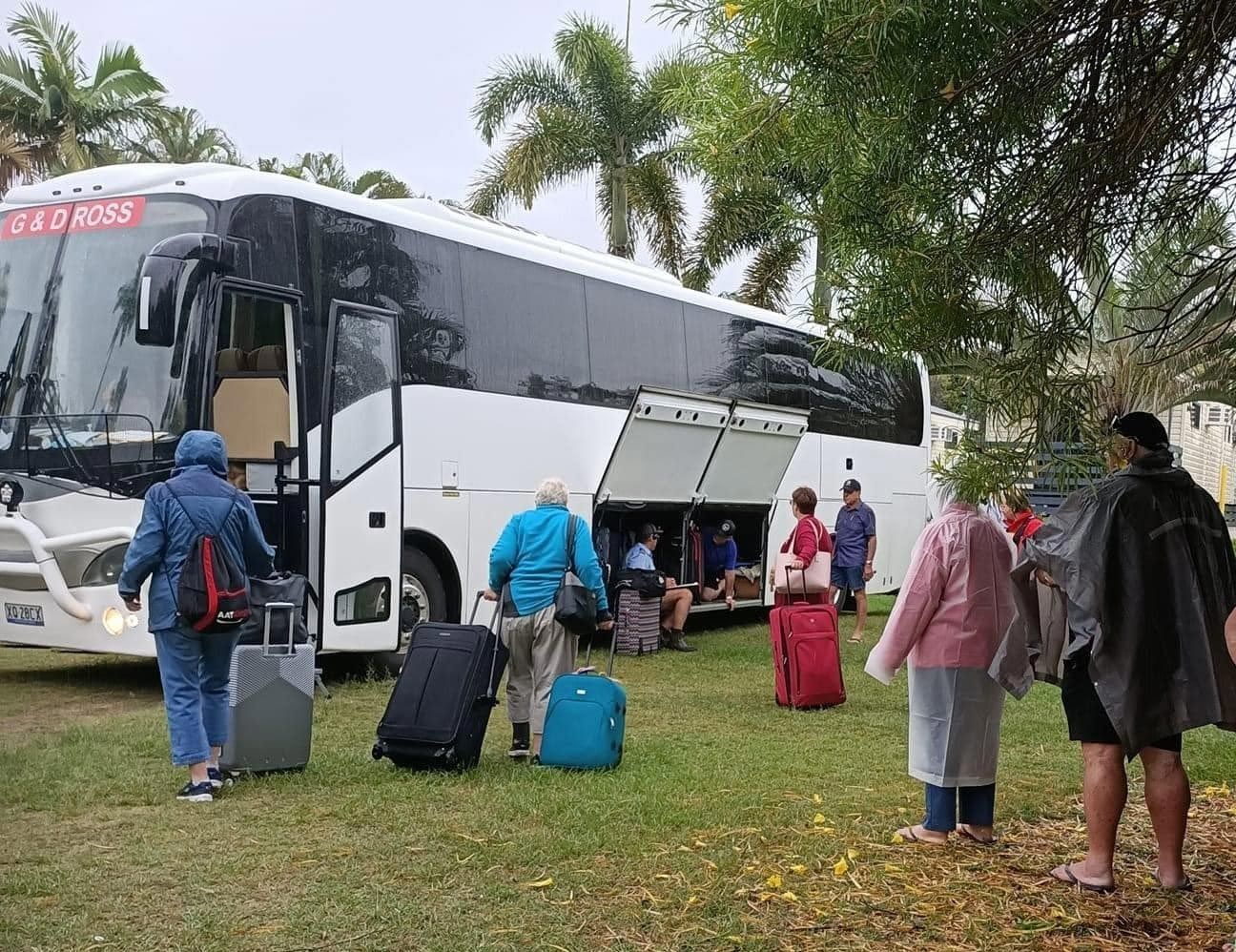
- Space for luggage or equipment
Thoughtful fleet selection enhances both practicality and the overall perception of the event.
Plan Routes With Precision & Flexibility
Route planning is more than choosing the shortest path: it involves anticipating variables that can impact timing and experience. A strong route strategy balances efficiency with adaptability, especially when managing multiple stops or large groups. Corporate transport should feel controlled, not rushed.
Effective route planning includes:
- Mapping primary and alternate routes
- Identifying high-traffic zones
- Planning logical pickup and drop-off points
- Allowing flexibility for unforeseen delays
This level of preparation ensures your transport plan remains stable even when conditions change.
Establish Clear Communication Channels
Communication gaps can quickly derail even the best plans: clarity keeps everyone aligned and informed. From organisers to drivers and attendees, each party needs access to accurate, timely information. This reduces confusion and ensures smooth transitions throughout the day.
Strong communication practices involve:
- Providing detailed itineraries to all stakeholders
- Assigning a transport coordinator or point of contact
- Sharing real-time updates if schedules shift
- Clearly labelling pickup locations and times
Clear communication builds confidence and keeps the entire operation running cohesively.
Manage Group Movement & Behaviour Expectations
Large groups can become difficult to manage without structure: setting expectations early helps maintain order and efficiency. Corporate transport isn’t just about logistics, it also involves guiding attendee behaviour to keep things on schedule and respectful for all participants.
Helpful management strategies include:
- Assigning group leaders or team coordinators
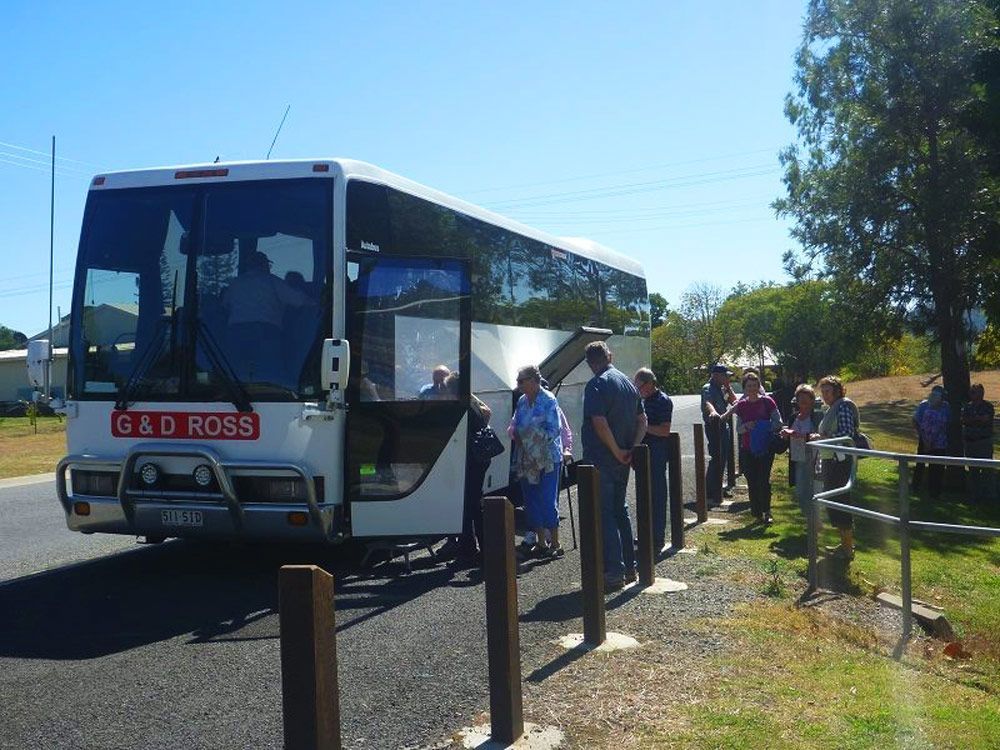
- Setting clear boarding times and expectations
- Encouraging punctuality and preparedness
- Communicating basic etiquette during travel
These small measures prevent delays and contribute to a more organised experience.
Incorporate Comfort & Experience Considerations
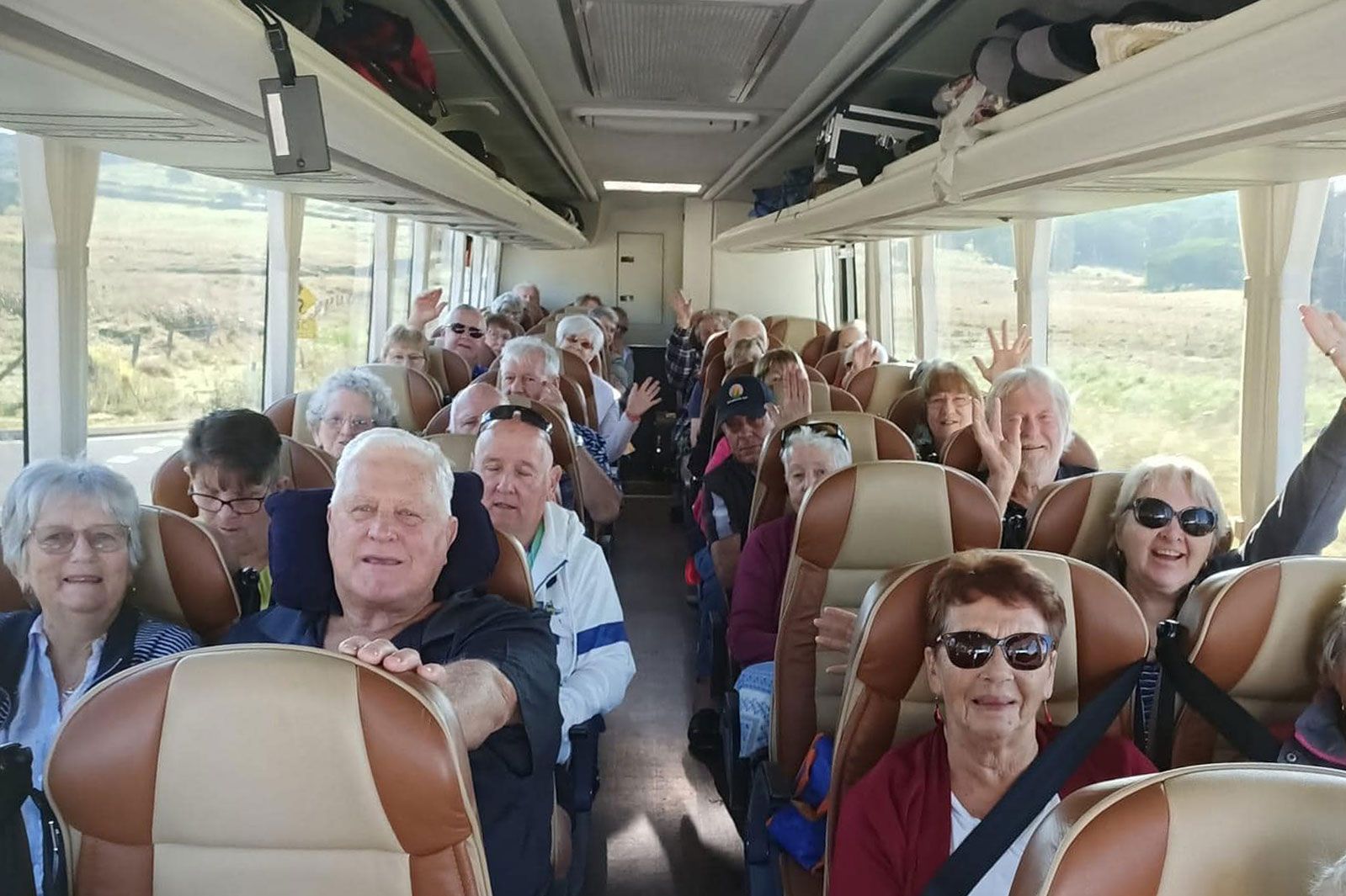
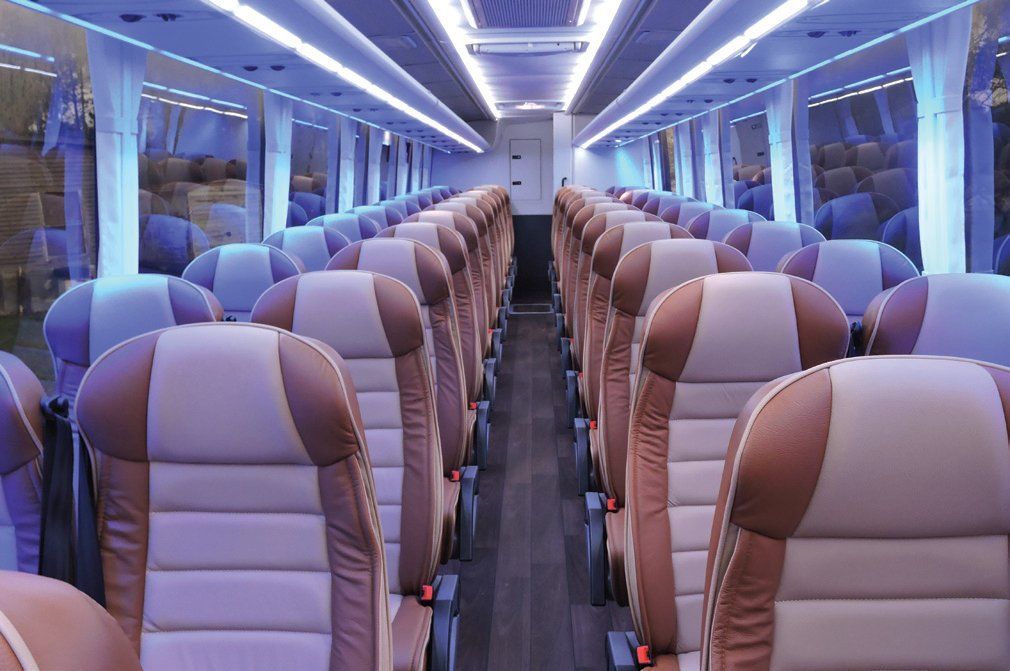
Transport is part of the overall event experience: comfort and atmosphere should not be overlooked. Attendees often spend more time travelling than expected, so ensuring a pleasant journey can positively influence their perception of the entire event.
Enhance the onboard experience by considering:
- Climate control and seating comfort
- Cleanliness and presentation of vehicles
- Noise levels and onboard environment
- Opportunities for relaxation or informal interaction
A comfortable journey helps attendees arrive engaged rather than fatigued.
Prepare For Contingencies Without Overcomplicating Plans
Unexpected issues are inevitable: preparation ensures they don’t become disruptions. Rather than overloading the plan with unnecessary complexity, focus on practical contingencies that can be activated quickly if needed.
Key contingency considerations include:
- Backup vehicles or alternative transport options
- Flexible scheduling buffers
- Emergency contact protocols
- Clear escalation processes for organisers
This approach keeps your plan resilient without making it rigid or difficult to manage.
Evaluate & Refine For Future Improvements
Every transport experience offers insight: capturing feedback helps refine future planning. Post-event evaluation allows corporate teams to identify what worked well and where adjustments can be made, creating continuous improvement over time.
Useful evaluation steps include:
- Gathering feedback from attendees and organisers
- Reviewing timing accuracy and delays
- Assessing communication effectiveness
- Identifying any logistical bottlenecks
Refining your approach ensures each future use of bus tours in Queensland becomes more efficient and predictable.
Make Your Next Corporate Journey Seamless
We at G & D Ross Bus Charters understand the complexity behind organising corporate transport and how critical it is to get every detail right. Whether you're coordinating a multi-stop itinerary or managing large group movements across Queensland, our team works closely with you to create a structured, reliable solution tailored to your needs. If you're planning your next corporate event, get in touch with us today to discuss how we can support a smoother, more organised transport experience.